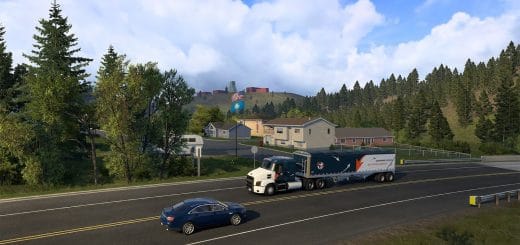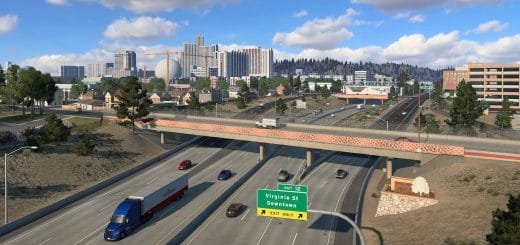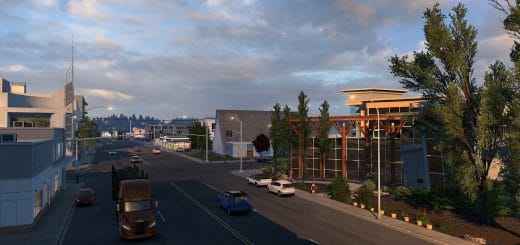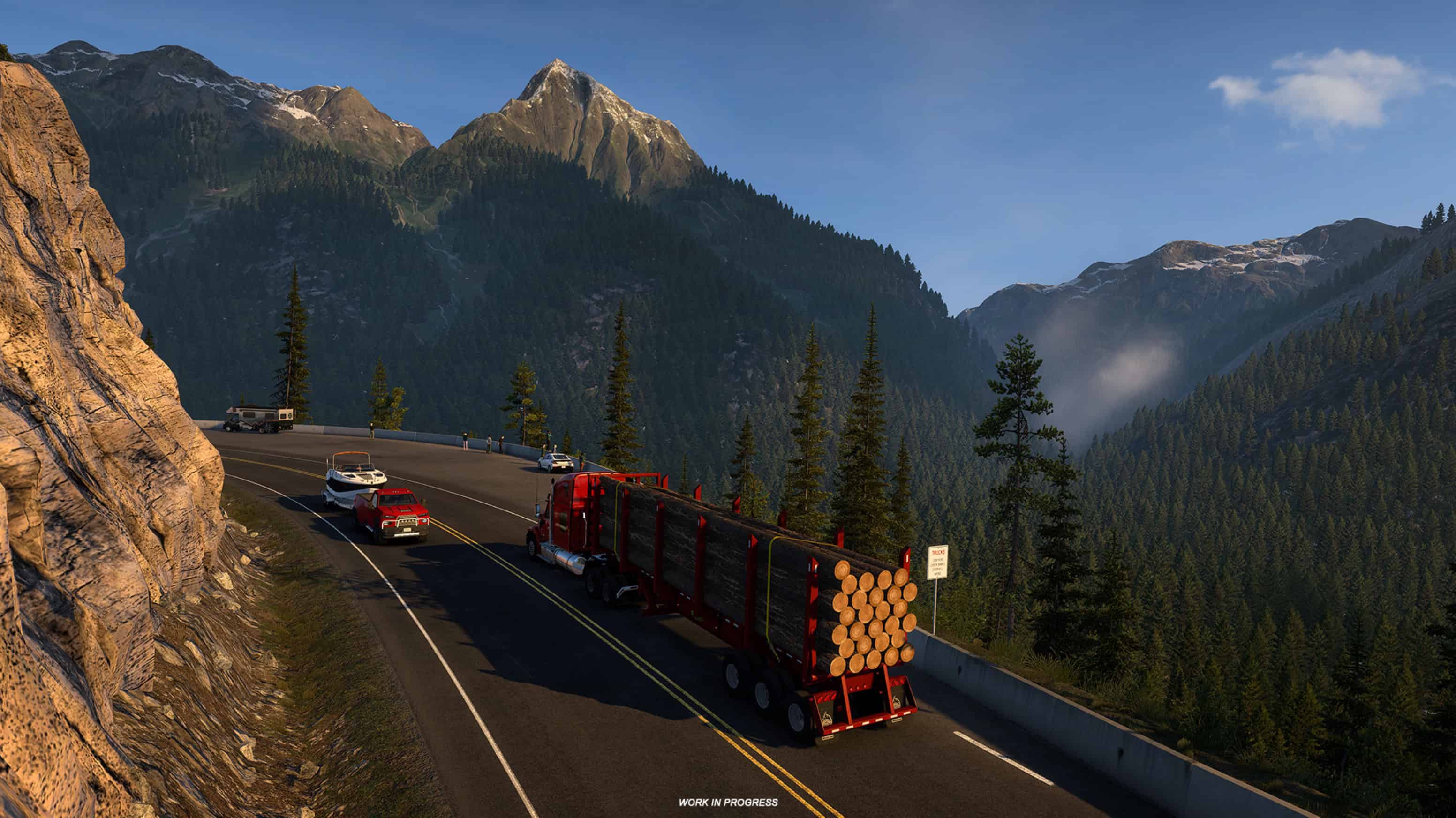
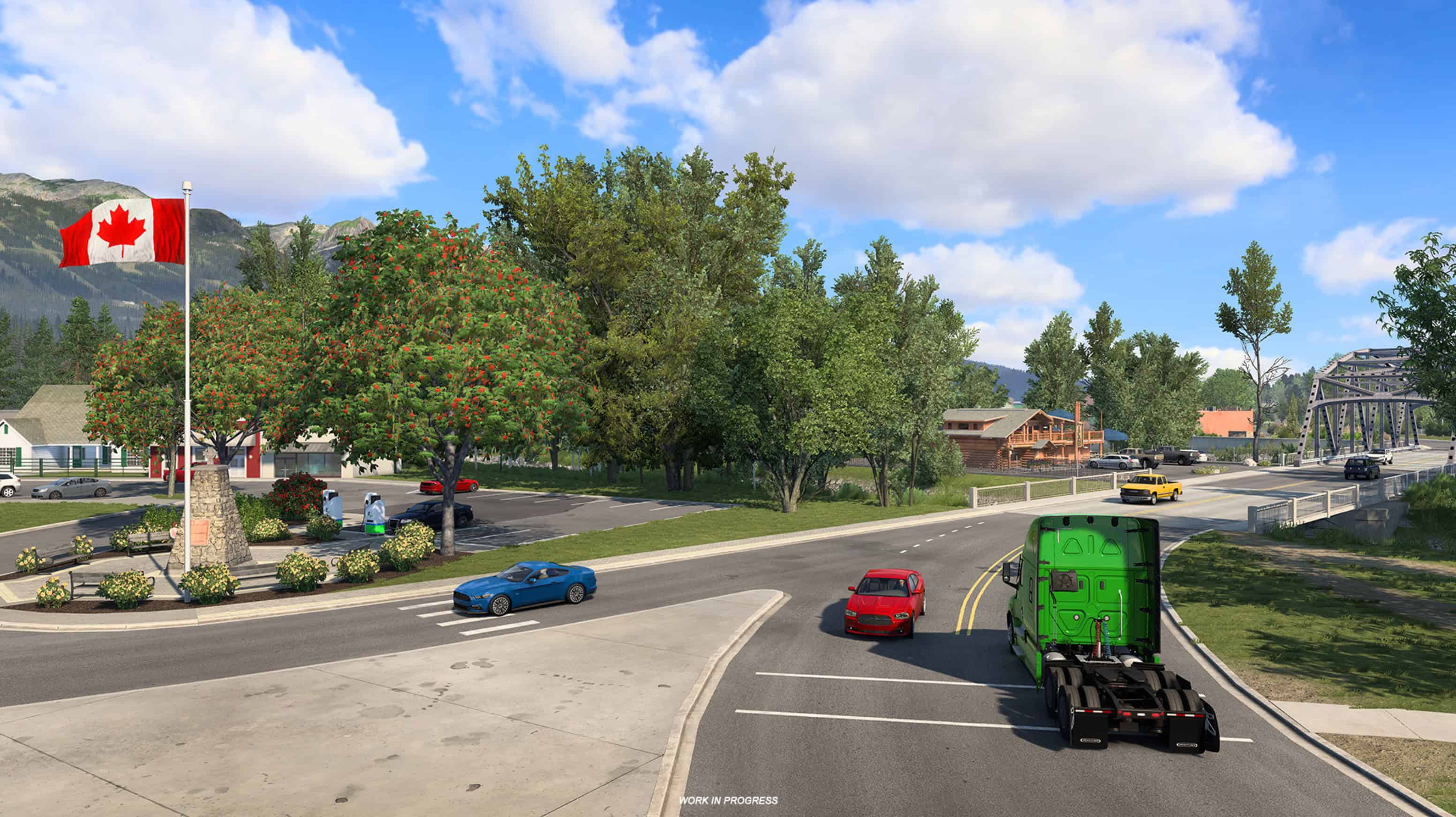
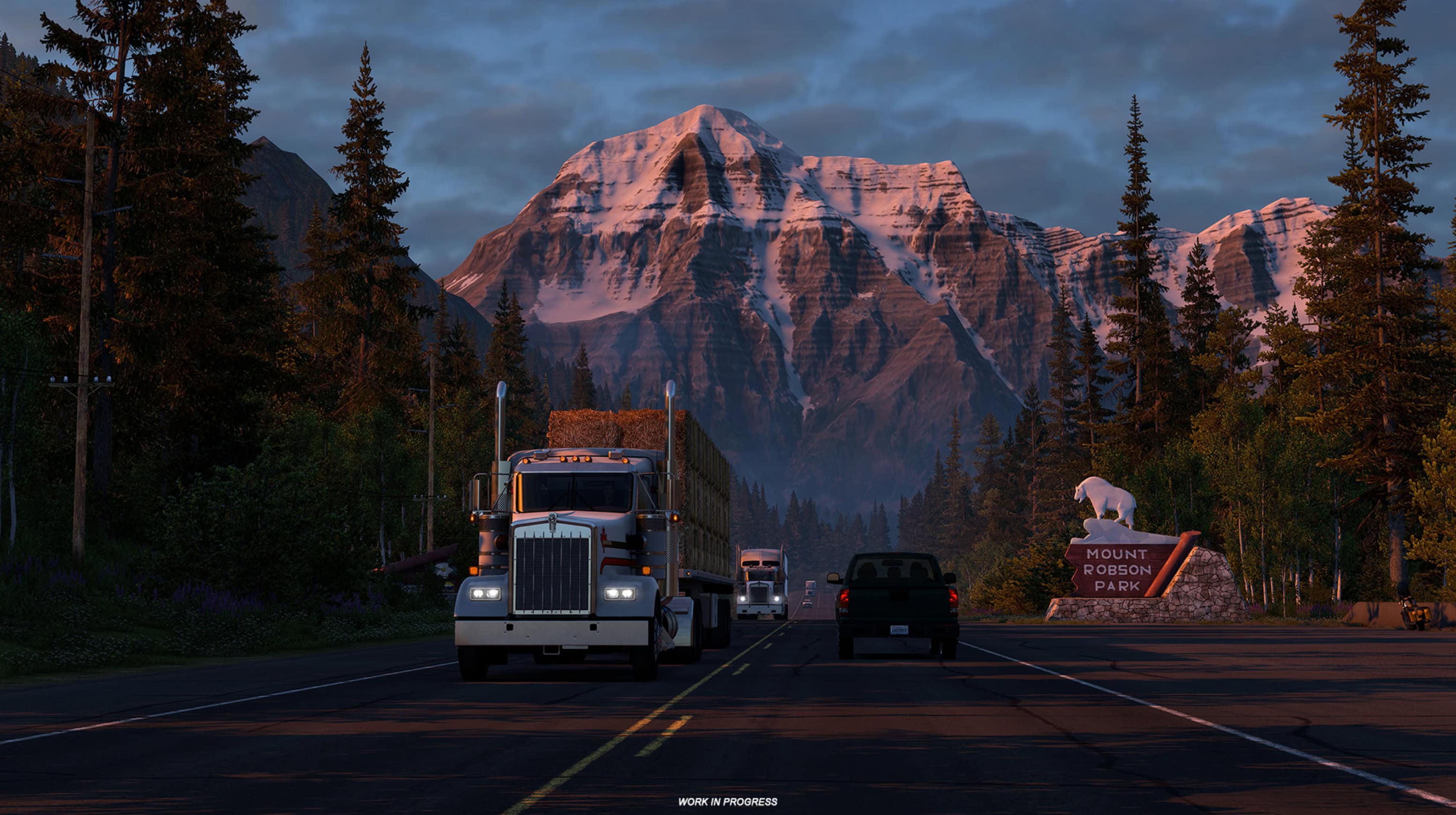
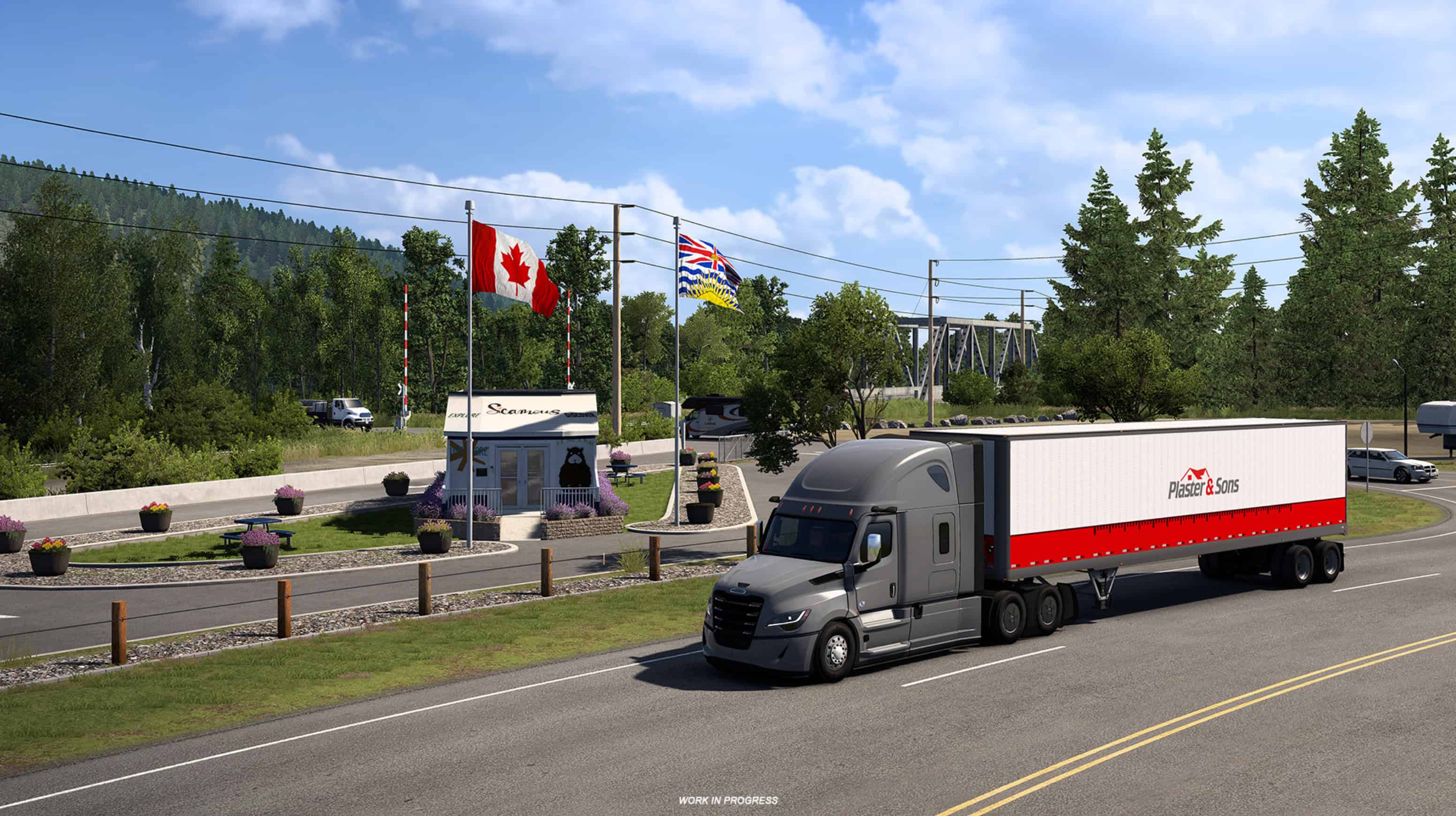
The British Columbia DLC will bring more than new roads and scenery to American Truck Simulator. Several of the cities shown by SCS Software are being built around industries that should create different types of freight work across the province.
The strongest examples are Williams Lake, Prince George, Prince Rupert, and Vernon. Each location has its own economic role, which gives SCS a reason to vary the depots and cargo routes instead of repeating the same job structure from one city to another. Players who enjoy expanding open-world games through community content such as GTA 6 Mods will recognize the appeal of having more variety in how familiar locations are used, although here that variety comes through official industries and freight destinations.
Williams Lake adds forestry and industrial work
Williams Lake is surrounded by forests, open countryside, and rolling terrain, so its local industries fit naturally with the setting. Players will find delivery opportunities connected to a sawmill, scrapyard, and construction equipment dealer.
That mix should create a broader range of jobs than a city built around a single industry. Forestry-related work can sit alongside equipment and scrap deliveries, giving Williams Lake a more practical freight identity rather than serving only as a scenic stop.
Prince George is a major transport hub
Prince George has one of the widest industrial mixes shown so far. The city sits at the intersection of Highways 16 and 97 and is also connected to major rail routes, which makes it an important point for goods moving through northern British Columbia.
SCS has confirmed a paper mill, chemical factory, refinery, and a large intermodal transportation hub. That combination should make Prince George one of the busier freight locations in the DLC, especially for players who prefer routes built around industry rather than sightseeing.
Prince Rupert focuses on port traffic
Prince Rupert adds a coastal freight angle. Its port has long been connected with shipping, fishing, forestry, and railway transportation, and the in-game version will include work around the harbour and waterfront areas.
Truckers can expect contracts involving the harbour port, seafood facility, and nearby timber harvesting operations. This gives Prince Rupert a different rhythm from inland cities because much of the freight work is tied directly to maritime trade and coastal industry.
Vernon brings agriculture and manufacturing
Vernon has a more mixed economy. Agriculture remains an important part of the area, but the city also includes manufacturing, forestry, tourism, and other local businesses.
Confirmed delivery points include an agricultural equipment dealer, landscape supply company, yacht builder, RV dealer, and beverage plant. That range should make Vernon useful for several cargo categories without pushing it too heavily toward one type of job.
These cities show how the British Columbia DLC is using local industry to shape freight gameplay. The map is not only adding new destinations, but also giving players reasons to choose different routes based on the cargo and industries available in each part of the province.